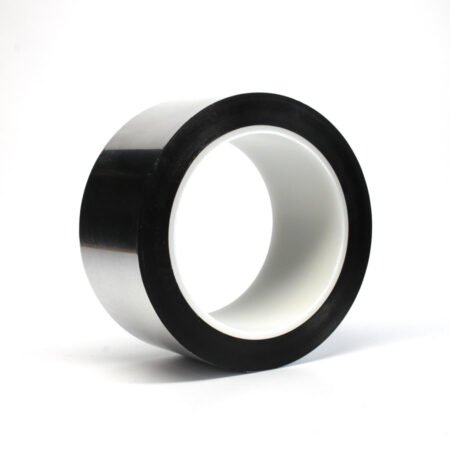
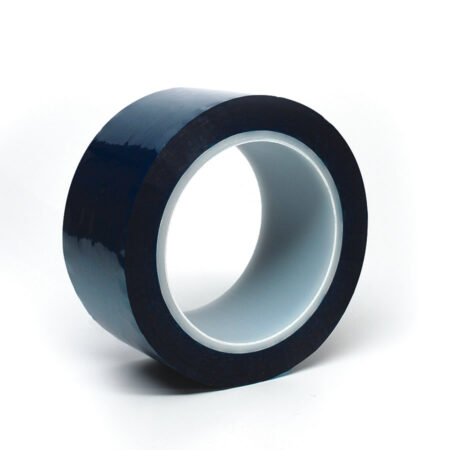
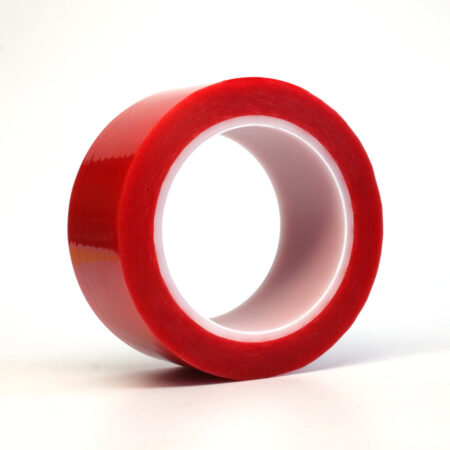
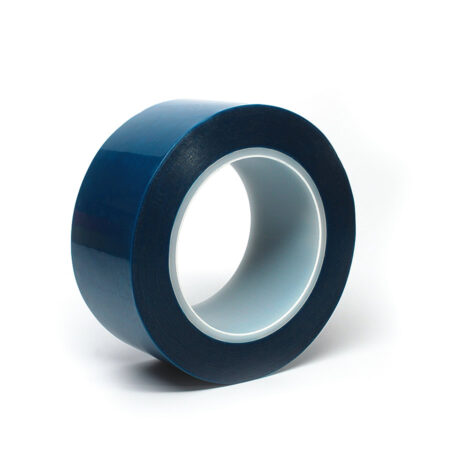
Understanding Specialty Tape Applications
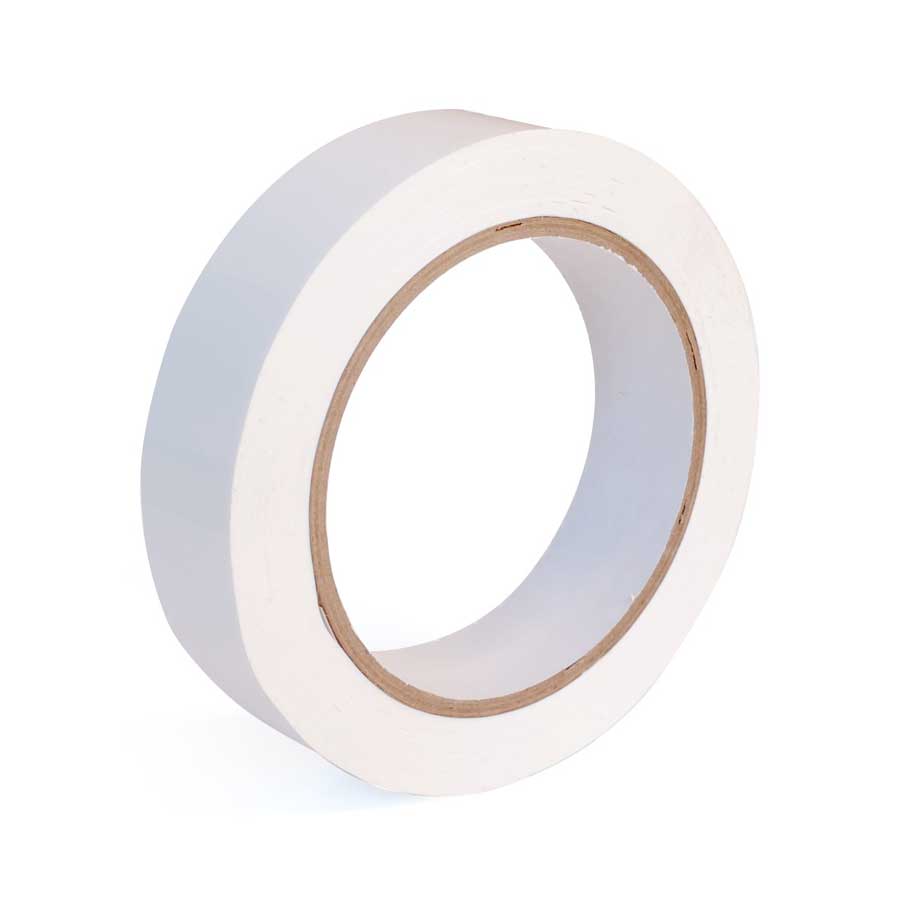
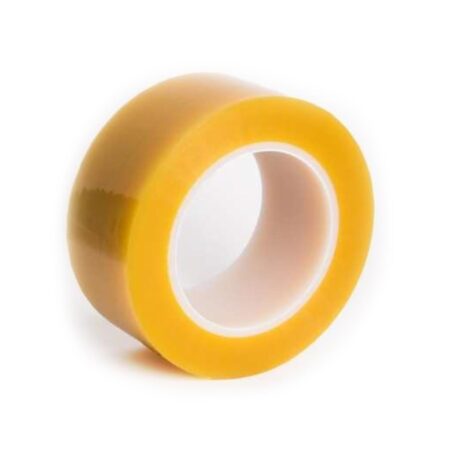
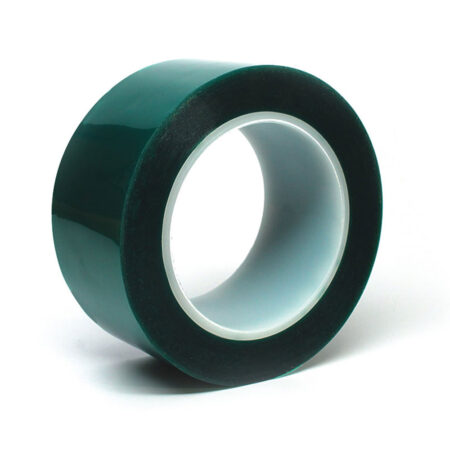
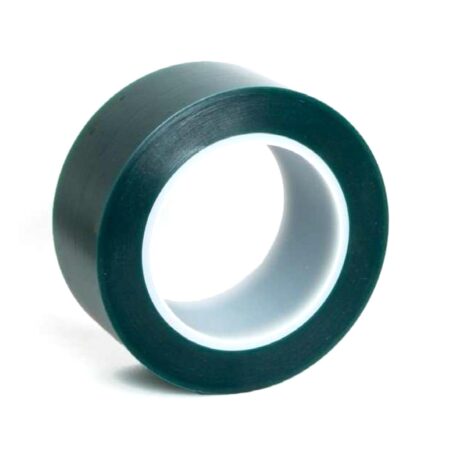
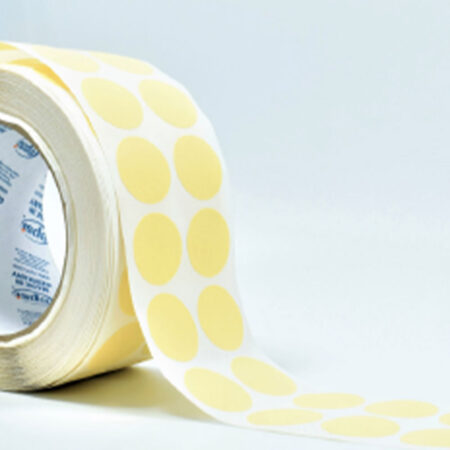
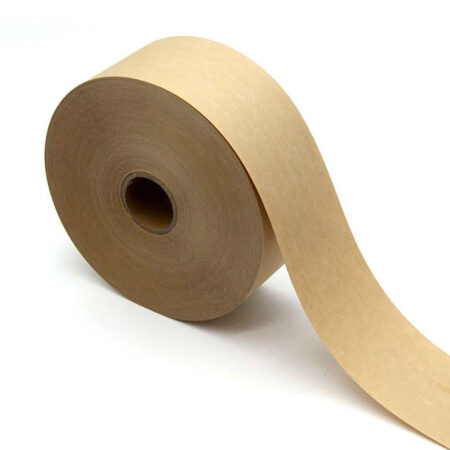
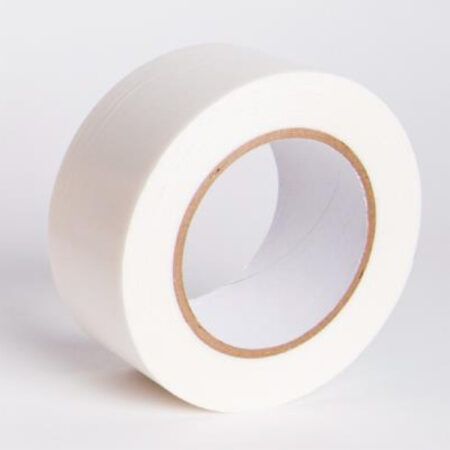
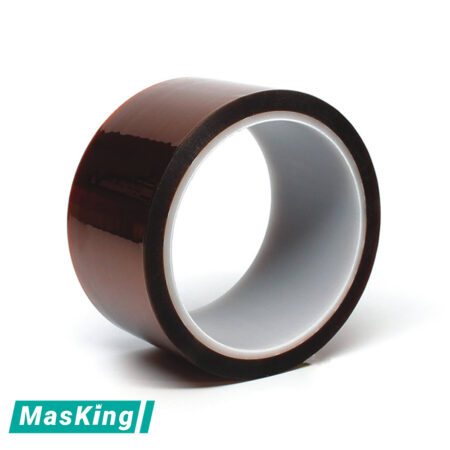
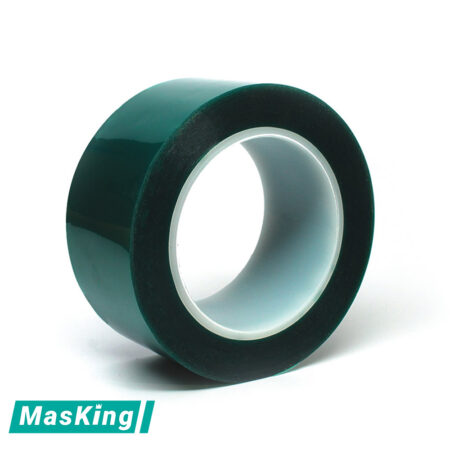
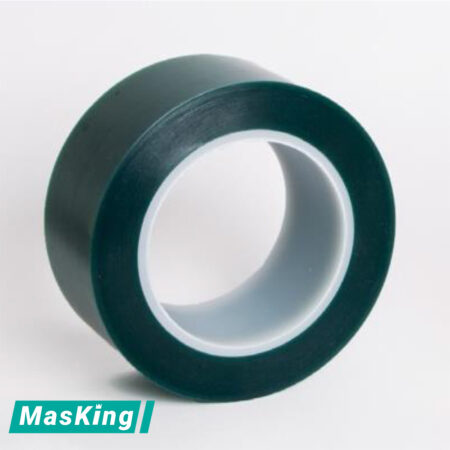
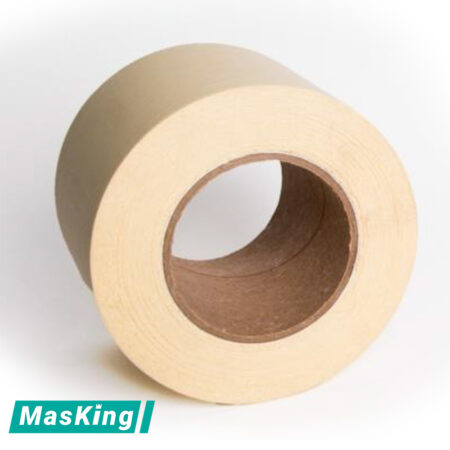
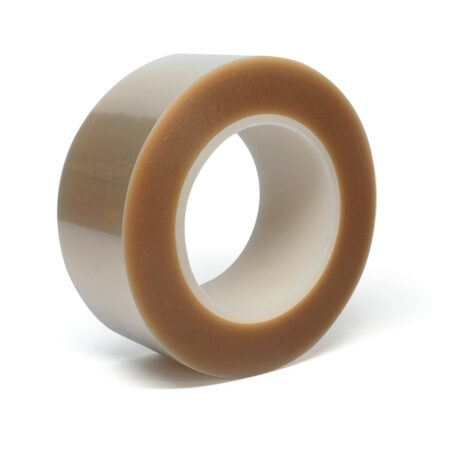
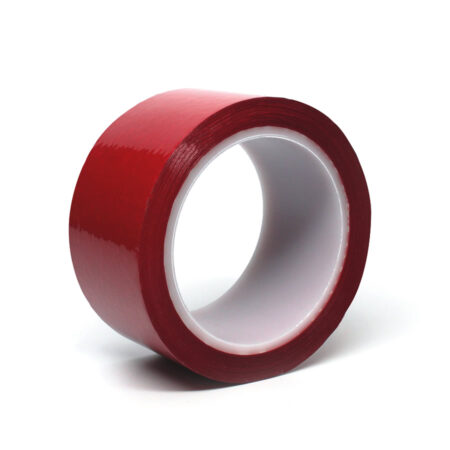
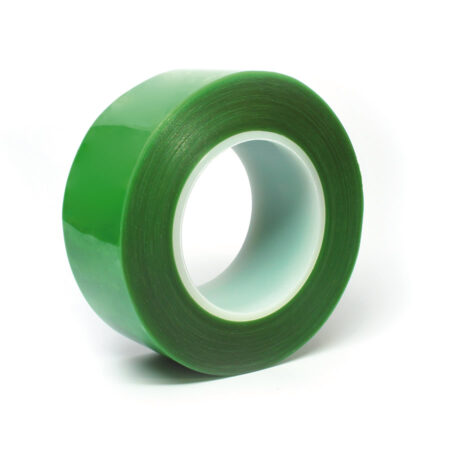
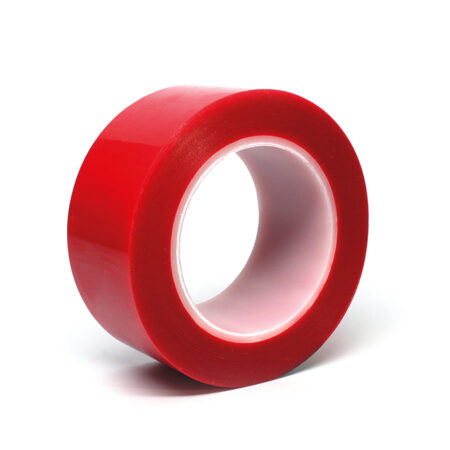
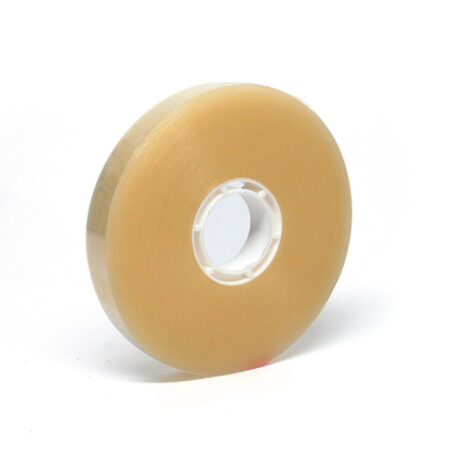
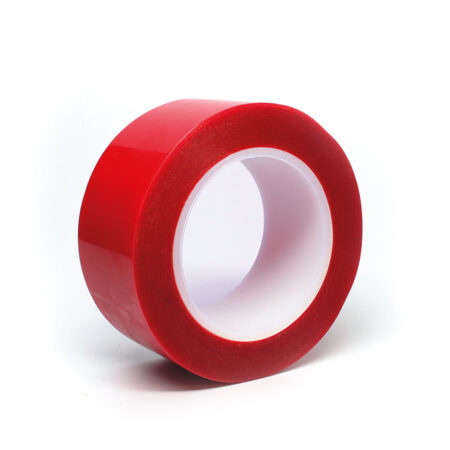
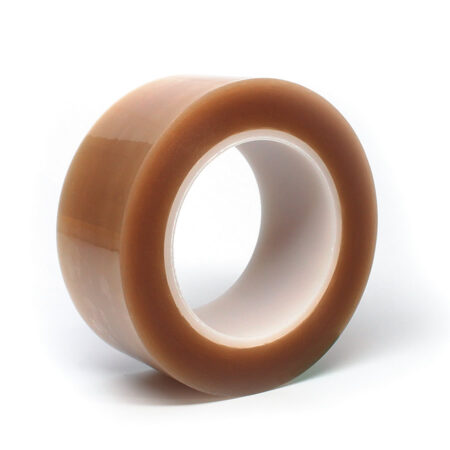
Specialty tapes are designed for a variety of applications, including splicing, bonding, masking, and assembly. Each type of tape serves unique purposes, making it essential for users to understand their specific needs before making a purchase.
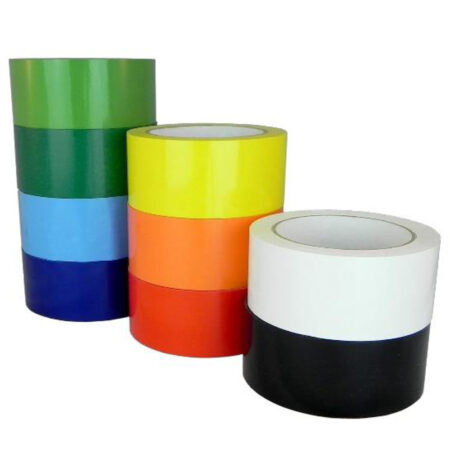
For example, masking tapes are ideal for painting projects as they provide clean lines, while splicing tapes are used in electrical applications to join wires securely. Knowing the right application can significantly enhance the effectiveness of the tape used in any project.
Choosing the Right Adhesive Type
The adhesive type is a critical factor when selecting specialty tapes, as it determines the tape's performance across different surfaces and conditions. Common adhesive types include silicone, acrylic, and natural rubber, each offering unique benefits.
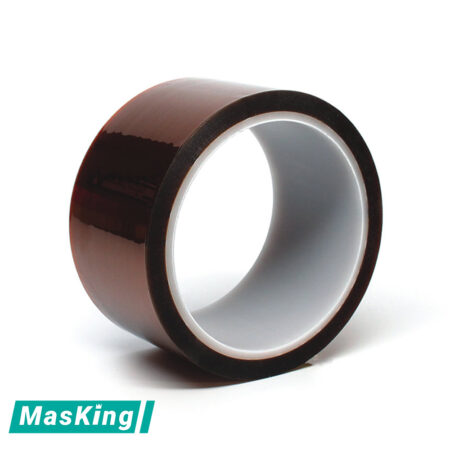
For instance, silicone adhesives are known for their high-temperature resistance, making them suitable for automotive and aerospace applications. On the other hand, acrylic adhesives provide excellent UV resistance, making them ideal for outdoor use. Understanding these distinctions can help users make informed decisions based on their specific requirements.
Benefits of Double-Sided Tapes
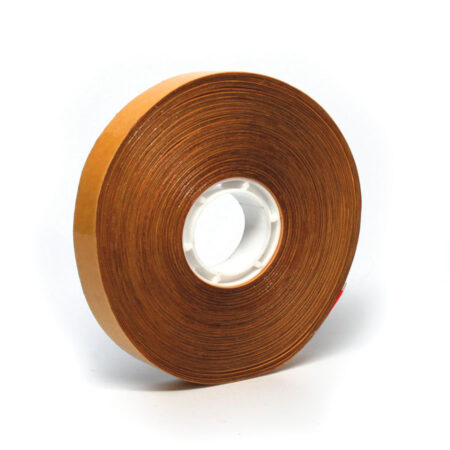
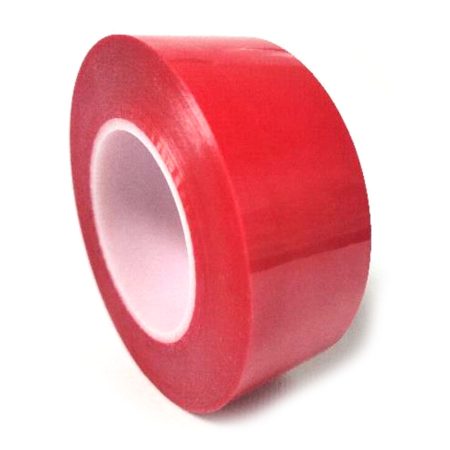
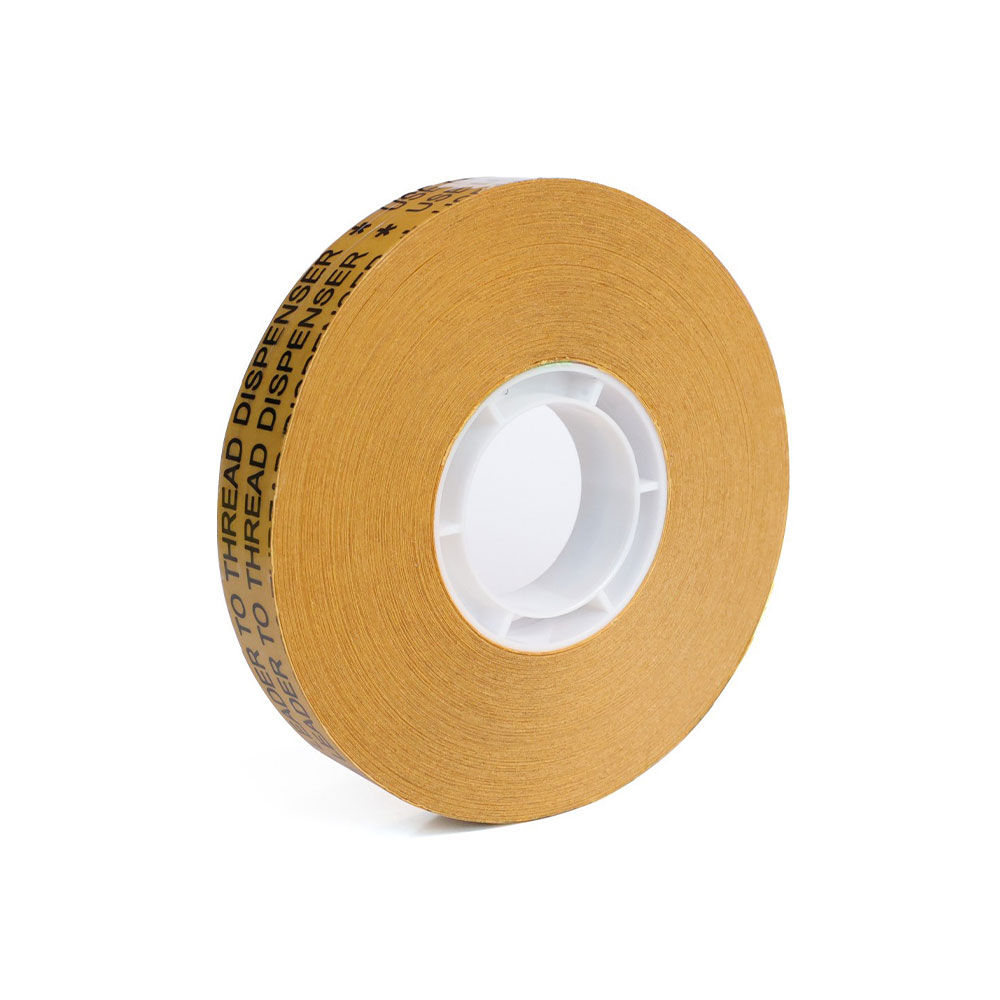
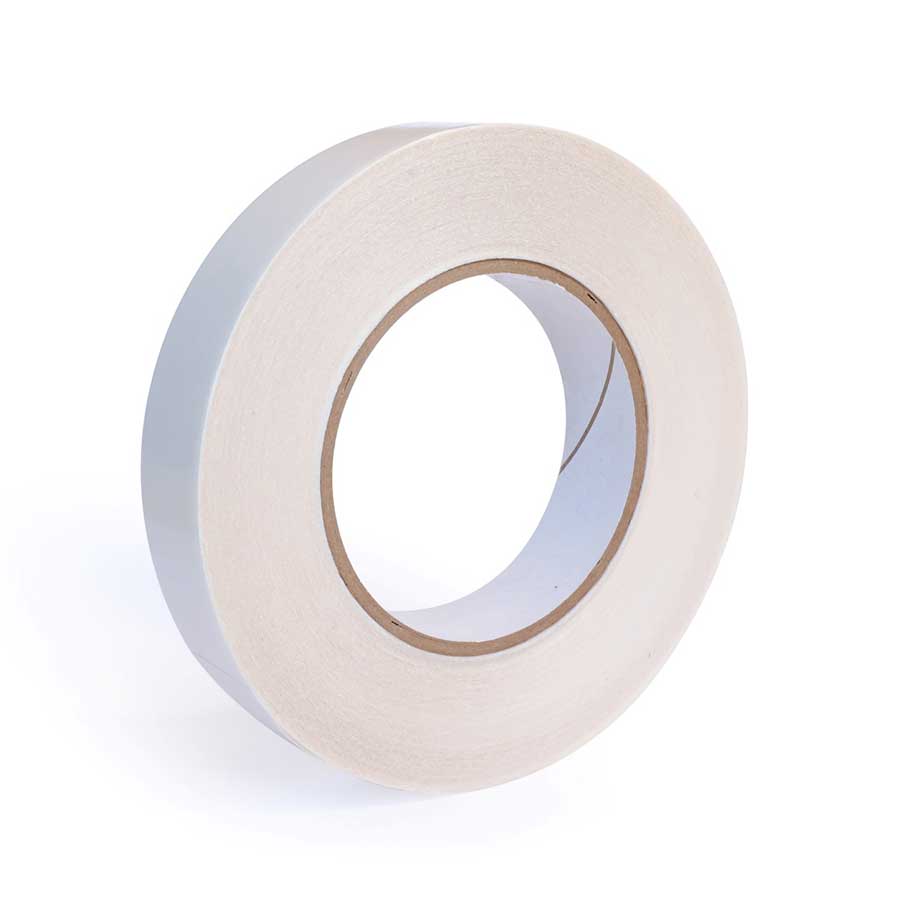
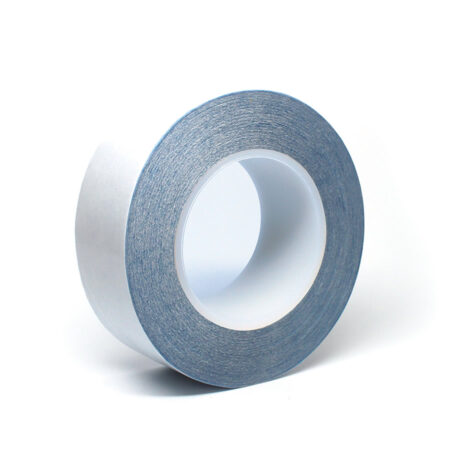
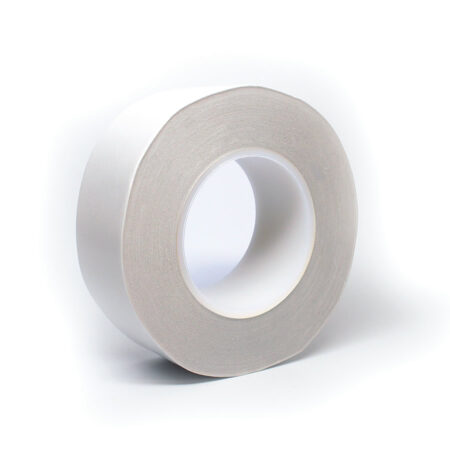
Double-sided tapes offer a versatile solution for various bonding applications, allowing users to adhere two surfaces together without visible tape. This type of tape is commonly used in crafts, mounting, and construction projects.
For example, double-sided foam tapes provide cushioning and insulation, making them perfect for mounting items on walls or for automotive applications. Their ease of use and strong bonding capabilities make them a popular choice among both professionals and DIY enthusiasts.
Tips for Proper Tape Application
Proper application techniques are crucial for maximizing the effectiveness of specialty tapes. Users should ensure that surfaces are clean, dry, and free of dust or debris before applying the tape for optimal adhesion.
Additionally, applying pressure evenly across the tape can enhance its bond strength. For specific applications, such as high-temperature environments, users should also consider pre-conditioning the tape and surface to ensure the best performance.
Understanding Specialty Tape Applications
Specialty tapes are designed for a variety of applications, including splicing, bonding, masking, and assembly. Each type of tape serves unique purposes, making it essential for users to understand their specific needs before making a purchase.
For example, masking tapes are ideal for painting projects as they provide clean lines, while splicing tapes are used in electrical applications to join wires securely. Knowing the right application can significantly enhance the effectiveness of the tape used in any project.
Choosing the Right Adhesive Type
The adhesive type is a critical factor when selecting specialty tapes, as it determines the tape's performance across different surfaces and conditions. Common adhesive types include silicone, acrylic, and natural rubber, each offering unique benefits.
For instance, silicone adhesives are known for their high-temperature resistance, making them suitable for automotive and aerospace applications. On the other hand, acrylic adhesives provide excellent UV resistance, making them ideal for outdoor use. Understanding these distinctions can help users make informed decisions based on their specific requirements.
Benefits of Double-Sided Tapes
Double-sided tapes offer a versatile solution for various bonding applications, allowing users to adhere two surfaces together without visible tape. This type of tape is commonly used in crafts, mounting, and construction projects.
For example, double-sided foam tapes provide cushioning and insulation, making them perfect for mounting items on walls or for automotive applications. Their ease of use and strong bonding capabilities make them a popular choice among both professionals and DIY enthusiasts.
Tips for Proper Tape Application
Proper application techniques are crucial for maximizing the effectiveness of specialty tapes. Users should ensure that surfaces are clean, dry, and free of dust or debris before applying the tape for optimal adhesion.
Additionally, applying pressure evenly across the tape can enhance its bond strength. For specific applications, such as high-temperature environments, users should also consider pre-conditioning the tape and surface to ensure the best performance.